Orinda ADU planning focus
Privacy, utility routing, drainage, and a complete daily-living plan matter before finishes are selected.
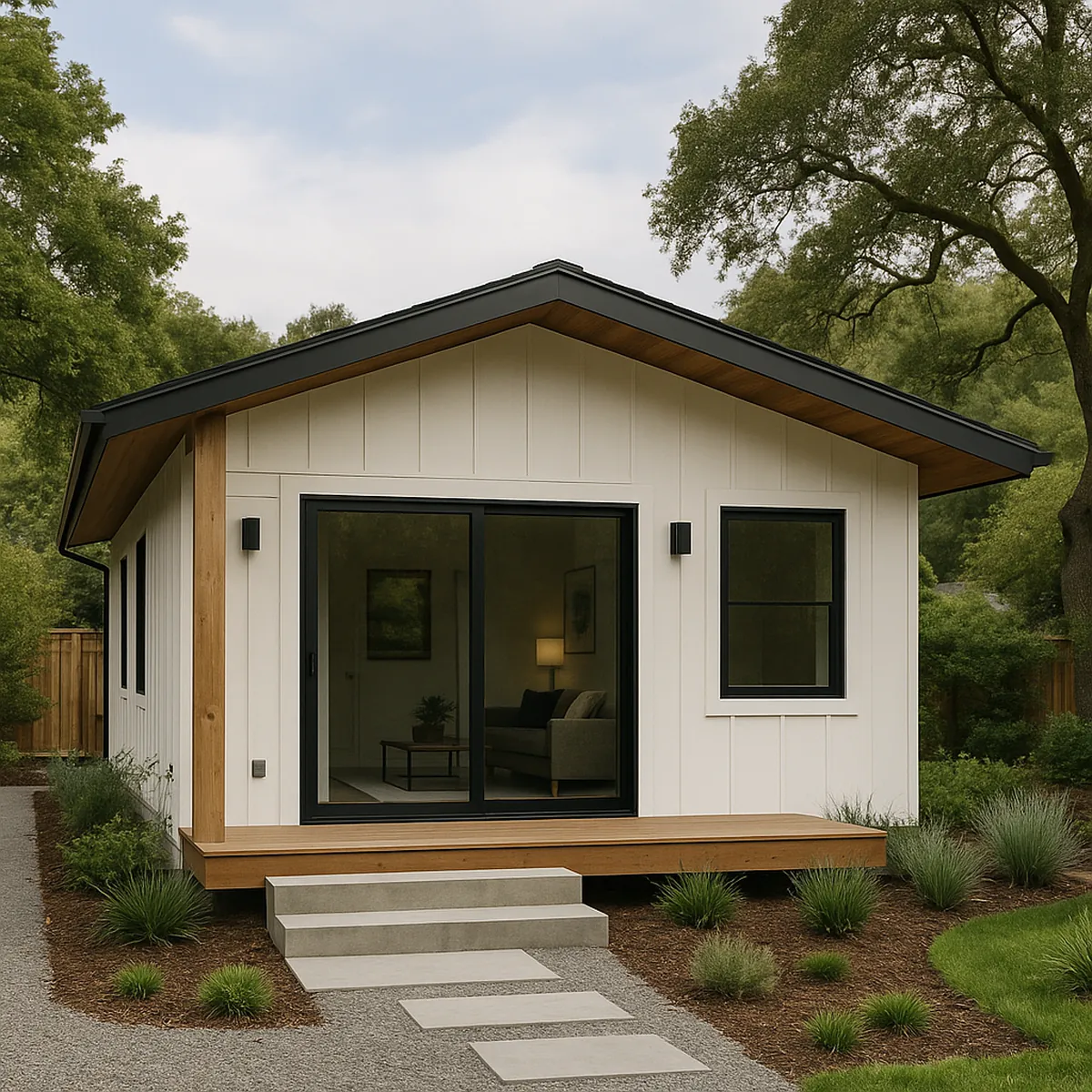
Illustrative planning profile · not a completed Terra Buildr project
Orinda · ADU Builder
A private East Bay ADU profile focused on flexible family living, guest use, durable exterior detailing, and a compact plan that feels calm rather than compromised.
Planning overview
An ADU can be small in footprint and still complex in construction. The best units are not simply extra rooms placed in the remaining yard. They are planned as real living spaces with privacy, natural light, storage, acoustics, mechanical comfort, and a clear relationship to the main home.
For an Orinda property, planning should account for terrain, drainage, outdoor movement, existing landscaping, hillside access, utility routing, and the way the ADU will be used over time. A unit for guests has different needs than a unit intended for family, work, or extended stays.
Terra Buildr approaches ADU planning by clarifying constraints early. That includes site access, slab or foundation logic, water and electrical service, exterior material transitions, window placement, bathroom and kitchenette layout, and the finish standard expected for a premium residential property.
Privacy, utility routing, drainage, and a complete daily-living plan matter before finishes are selected.
The unit should feel private without feeling isolated from the property. Entry, windows, outdoor space, and lighting all shape that balance.
Small rooms need disciplined layouts. Storage, appliance scale, vanity depth, shower size, and natural light matter more when every inch is working.
Electrical, water, sewer, drainage, and equipment locations should be understood before the design depends on assumptions.
Scope map
This is an orientation checklist, not a proposal. Confirmed drawings, existing conditions, consultant input, selections, and site logistics determine actual scope.
Detached ADU or attached ADU planning review
Privacy, entry, and outdoor connection strategy
Kitchenette, bath, storage, and compact fixture coordination
Utility routing, drainage, and equipment placement review
Exterior materials, windows, lighting, and finish continuity
Property + construction challenge
A useful profile makes uncertainty visible before it becomes field pressure.
Orinda ADU projects often need to balance privacy, hillside conditions, mature landscaping, drainage, utility routing, and the relationship between the main residence and the new living space.
A common mistake is treating the ADU as a standalone product instead of a property-wide construction decision. The entry location, outdoor path, exterior lighting, mechanical equipment, window orientation, and daily access all affect how natural the finished unit feels.
Early decisions also shape investment and timeline expectations. Utility runs, panel capacity, plumbing distance, trenching, waterproofing, and compact material staging can become expensive surprises when they are not reviewed before drawings or finishes move too far ahead.
Planning decisions
Each decision connects the intended experience to practical design and construction constraints.
Planning sequence
Stage names are illustrative. Actual services, roles, timing, and deliverables depend on project fit and an agreed scope.
Clarify who the ADU is for, how independent it needs to be, and what property conditions may shape the scope.
Review access, utilities, drainage, footprint, privacy, finish expectations, and the likely construction sequence.
Coordinate drawings, materials, site protection, trade sequencing, and long-lead decisions before field work starts.
Manage site activity with attention to clean access, utility work, framing, envelope details, rough trades, finishes, and inspections.
Walk the finished space, tune details, and confirm the unit feels complete for the way it will actually be used.
Avoidable pressure
A plan that ignores access, privacy, utilities, slope, and outdoor movement can be difficult to correct later.
A compact unit needs a real arrival point and places for daily belongings, not just a bed and bathroom.
Service upgrades, trenching, drainage, and equipment placement can shape the project as much as interior finishes.
Continue planning
Explore service and city pages with established scope guidance, then bring the actual property into the conversation.
Planning profile questions
Privacy, slope, drainage, access, utility routing, exterior lighting, window placement, and the relationship to the main home should be reviewed early.
Yes. A compact ADU can feel refined when the layout, storage, lighting, materials, ventilation, and outdoor connection are coordinated before construction.
Yes. Sometimes an ADU is the right choice because the new space should be independent. Other times an addition better solves the homeowner's real living need.
Utility assumptions, material lead times, unclear finish selections, access limits, inspection sequencing, drainage issues, and late design changes can all affect timing.
The next step is a project conversation focused on property conditions, intended use, likely scope, timing goals, and what needs to be reviewed before construction planning moves forward.
Planning something related?
Share the location, current stage, desired outcome, available documents, and the questions this profile helped surface.