Palo Alto new home planning focus
Site planning, envelope details, material lead times, and finish coordination need to be aligned before field execution.
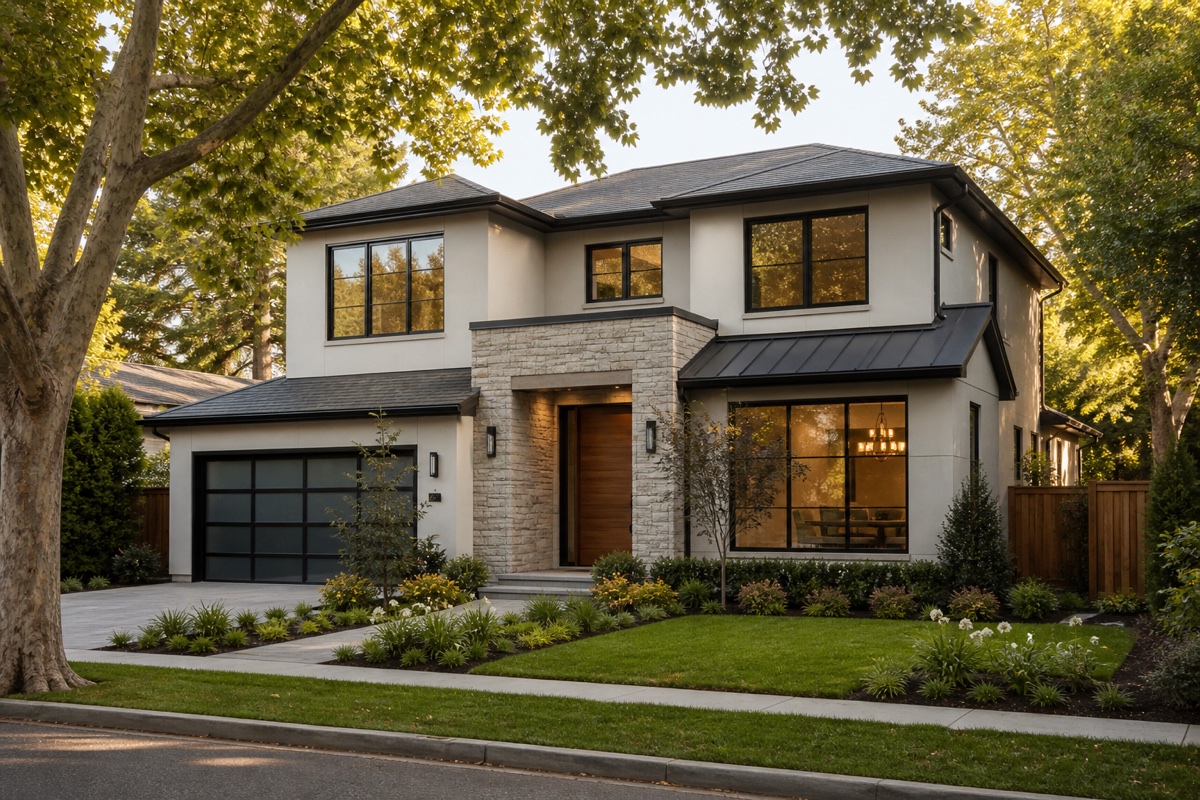
Illustrative planning profile · not a completed Terra Buildr project
Palo Alto · New Home Construction
A Palo Alto new home profile centered on early feasibility, architecture-conscious construction, premium exterior detailing, and a calm path from planning to field execution.
Planning overview
A new home is shaped long before framing begins. The experience depends on how well the design intent, property conditions, consultant input, exterior envelope, systems, finish expectations, lead times, and construction sequence are aligned.
Palo Alto projects often carry high expectations for finish quality, energy performance, neighborhood fit, exterior detailing, and clean execution. Those expectations are achievable only when assumptions are clarified before the field schedule is under pressure.
Terra Buildr helps homeowners move from concept to construction with practical clarity. The goal is not to rush the process. The goal is to make sure the project is ready enough to build with fewer avoidable surprises.
Site planning, envelope details, material lead times, and finish coordination need to be aligned before field execution.
Access, parking, staging, trees, drainage, utilities, and neighbor sensitivity should be understood before construction is timed.
Windows, doors, waterproofing, exterior materials, roof assemblies, and transitions protect the long-term quality of the home.
Cabinetry, tile, plumbing trim, lighting, flooring, appliances, and exterior materials should be coordinated before they delay trades.
Scope map
This is an orientation checklist, not a proposal. Confirmed drawings, existing conditions, consultant input, selections, and site logistics determine actual scope.
Ground-up new home planning and construction coordination
Site access, staging, tree, drainage, and utility review
Exterior envelope, window, door, and material coordination
Interior finish sequencing and long-lead item planning
Closeout, walkthrough, and final detail management
Property + construction challenge
A useful profile makes uncertainty visible before it becomes field pressure.
Palo Alto new home projects often require careful attention to neighborhood context, trees, energy requirements, access, parking, exterior detailing, and high expectations for finish quality.
The challenge is not only building the house. It is keeping architectural intent, consultant direction, homeowner decisions, material lead times, and field execution aligned through many months of work.
A strong construction plan should distinguish confirmed decisions from open assumptions, identify selections that affect schedule, and name the details requiring coordination before trades arrive on site.
Planning decisions
Each decision connects the intended experience to practical design and construction constraints.
Planning sequence
Stage names are illustrative. Actual services, roles, timing, and deliverables depend on project fit and an agreed scope.
Understand the property, drawings, consultant input, known constraints, finish expectations, and desired timing.
Coordinate access, staging, site protection, utilities, envelope decisions, material lead times, and trade sequence.
Confirm assumptions, clarify open decisions, and organize communication before construction activity ramps up.
Manage the build with attention to sequencing, inspections, finish quality, site cleanliness, and homeowner communication.
Complete the walkthrough, closeout details, cleanup, and handoff so the home feels finished rather than simply done.
Avoidable pressure
Site access, staging, utilities, inspections, protection, and sequencing can shape the project as much as the floor plan.
Windows, doors, cabinets, tile, lighting, appliances, and exterior materials can influence schedule when selected too late.
Final details, cleanup, documentation, owner orientation, and punch work need the same discipline as earlier phases.
Continue planning
Explore service and city pages with established scope guidance, then bring the actual property into the conversation.
Planning profile questions
Site logistics, trees, access, parking, drainage, utilities, consultant coordination, exterior envelope, material lead times, and finish expectations should be reviewed early.
Yes. Terra Buildr supports custom home and new home construction planning with emphasis on scope clarity, site coordination, premium detailing, and organized execution.
Pre-construction helps align drawings, assumptions, materials, schedule, site logistics, and homeowner decisions before field work creates pressure.
Permitting, inspections, site conditions, utility work, structural complexity, material lead times, finish selections, weather, and change decisions can all affect timing.
Start with a project review focused on property conditions, design status, desired scope, timing goals, and what needs to be clarified before construction planning proceeds.
Planning something related?
Share the location, current stage, desired outcome, available documents, and the questions this profile helped surface.