Decision guide · property before assumptions

Design-Build vs Architect First: When Builder Input Should Start

Compare design-build, architect-first, and builder-involved planning for Bay Area custom homes, ADUs, remodels, additions, and premium construction projects.

Compare the paths
This framework organizes the comparison. The actual property, current requirements, and confirmed scope determine the recommendation.
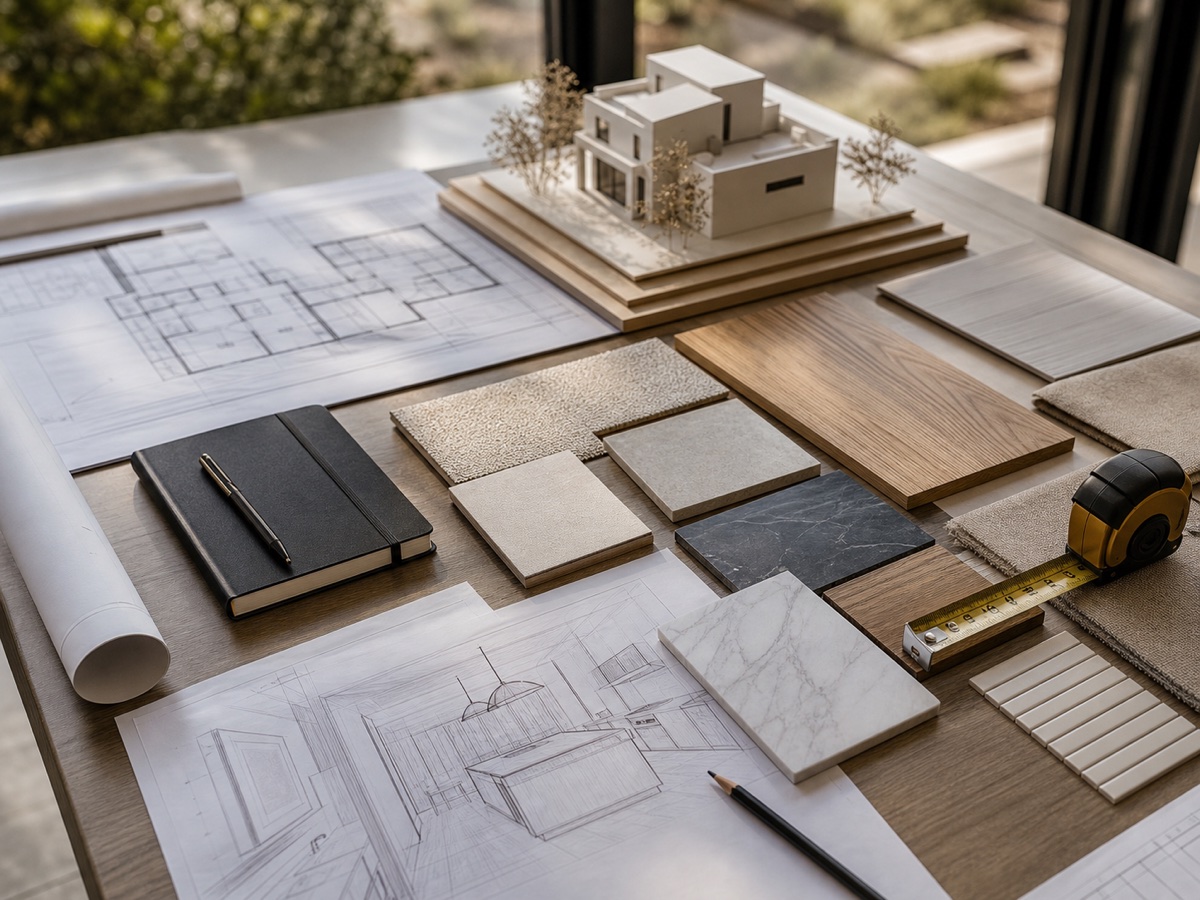
Illustrative residential planning scene used to compare design-build and architect-first team structures, not project photography
Illustrative planning visual · not project photography
Path A
Design-Build
Path B
Architect First
Start with
The outcome the property must support

Team and contract structure

Choose how design decisions, buildability input, and responsibility will connect.

Design-build usually places design and construction responsibility within one coordinated team or agreement. An architect-first path begins with a direct owner–architect relationship and brings the builder under a separate agreement, either during design or after documents advance.

01

Design-Build

When this path may be stronger

Design-build may fit owners who value an integrated team, earlier construction feedback, and a clearer single point for coordinating design with execution.

  • The proposed team identifies its designer, contractor, engineers, responsibilities, licenses, and decision process before engagement.
  • Buildability, sequencing, site logistics, and planning-budget feedback need to inform design continuously.
  • The owner prefers coordinated accountability and understands how design quality, pricing, allowances, and changes will be reviewed.
  • The agreement preserves meaningful checkpoints before scope, selections, and construction commitments become fixed.

02

Architect First

When this path may be stronger

Architect-first may fit owners who want an independent design relationship, broader design exploration, and a separately selected construction team.

  • Architectural investigation and design authorship are the first priority, with the owner prepared to coordinate separate professional agreements.
  • The architect’s scope includes documentation and construction-phase services appropriate to the project.
  • A builder can provide transparent preconstruction input before design decisions become difficult to change, even under a separate contract.
  • The owner wants to compare qualified builders against sufficiently complete, consistent information and understands the time needed to do so.

Decision inputs

Compare the actual agreements and people—not only the delivery labels.

Either structure can work well or poorly. Review who performs each service, who holds each contract, when construction knowledge enters, how conflicts are resolved, and what information supports each cost checkpoint.

A cleaner comparison

Set decision gates before design momentum narrows the options.

The useful question is not which label promises speed or savings. It is whether the chosen people, contracts, information flow, and checkpoints support the project’s design ambition and risk profile.

  1. 01Write the project goals, desired owner involvement, design priorities, and major property risks.
  2. 02Map the named professionals, contracts, responsibilities, deliverables, and required coordination for each model.
  3. 03Define design-review, constructability, schedule, and planning-budget checkpoints before signing construction commitments.
  4. 04Compare proposals on the same scope and have consequential agreement terms reviewed by appropriate advisers.

Comparison questions

Questions behind two commonly misunderstood delivery paths.

Does design-build mean the project does not need an architect or engineer?

No. Delivery method does not remove professional or jurisdiction requirements. The project may still need licensed design professionals and engineers; the distinction is how their services and contracts are organized.

Can a builder be involved early in an architect-first project?

Yes. A builder can provide defined preconstruction services during design under a separate, transparent arrangement. The team should document the builder’s role, compensation, deliverables, and whether later construction selection remains competitive.

Is design-build automatically faster or less expensive?

No. Integration can shorten feedback loops, but results still depend on team capability, decisions, approvals, documentation, procurement, site conditions, and contract terms. Compare the actual process and scope rather than relying on the label.

Compare your property

Choose the path after the right questions are visible.

Share both options, the property context, current stage, timing, and what the finished result must solve.

Call 510 994 1146

Project consultation

Tell us what you are planning.

Share the essentials so Terra Buildr can review your project, location, and next step. Early ideas and uncertain timing are welcome.

Budget comfort or more scope details optional

Not sure about a budget yet? Leave this blank or tell us what you need help deciding. This is not a price estimate.

What happens next

We review the project type, location, and timing, then follow up to clarify fit and the next step. Submitting a request does not reserve a consultation or construction date.

Prefer to talk now? Call 510 994 1146 or email Terra Buildr.

Project planning brief

Organize what you know—and what still needs an answer.

Build a concise starting brief for your own planning. Your answers stay in this page unless you download them or choose to share them in a project request. This is a starting point, not an estimate, design, or permit determination.

Conditions already on your radar