Palo Alto addition planning focus
Additions need old-to-new integration, tree-aware access, structure, exterior transitions, and finish continuity planned before construction.
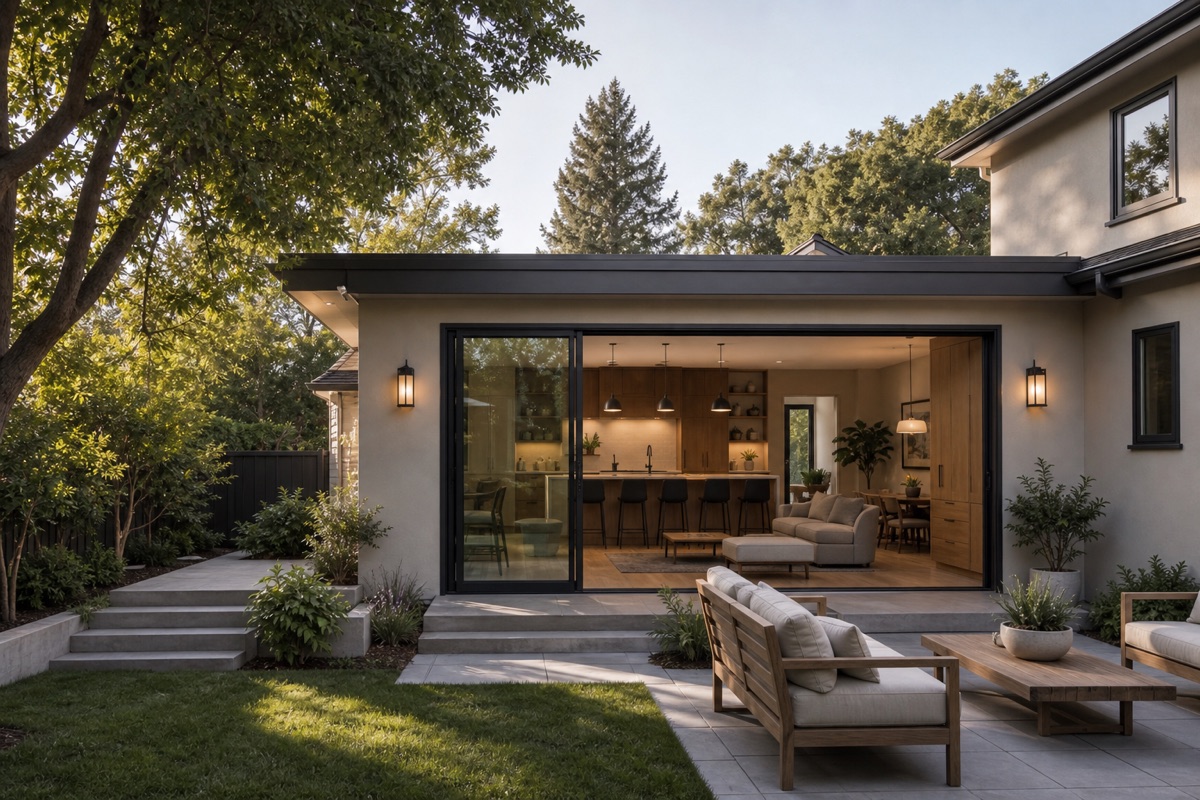
Illustrative planning profile · not a completed Terra Buildr project
Palo Alto · Home Additions
A Palo Alto addition profile focused on integrated rear expansion, kitchen and family room flow, mature-tree context, exterior continuity, and clean finish transitions.
Planning overview
A Palo Alto addition should add useful space without making the home feel overbuilt or disconnected. The best result often comes from a carefully integrated kitchen, family room, dining, patio, or primary suite expansion.
Mature trees, valuable lots, neighbor proximity, site access, exterior proportions, and finish standards can all shape the right scope. These details should be reviewed before the addition is priced too narrowly.
Terra Buildr helps homeowners compare additions with remodels, ADUs, and new construction so the project solves the right problem. The goal is a clearer home, not simply more square footage.
Additions need old-to-new integration, tree-aware access, structure, exterior transitions, and finish continuity planned before construction.
The addition should solve the actual living problem before size and exterior shape are locked.
Access, protection, roots, storage, and delivery routes can influence construction logistics.
Foundations, rooflines, waterproofing, framing, and systems decide whether the addition can be built cleanly.
Scope map
This is an orientation checklist, not a proposal. Confirmed drawings, existing conditions, consultant input, selections, and site logistics determine actual scope.
Rear addition, kitchen expansion, or family room planning
Structure, roofline, window, and door coordination
Mature-tree, access, staging, and site protection review
Flooring, lighting, trim, cabinetry, and finish continuity
Patio connection, exterior details, cleanup, and final walkthrough
Property + construction challenge
A useful profile makes uncertainty visible before it becomes field pressure.
Additions can fail when they focus only on new square footage. The tie-ins are often the hardest part: foundation, framing, rooflines, siding, doors, flooring, trim, and lighting.
In Palo Alto, lot value and mature landscapes reward restraint. The new work should improve daily living while protecting the home and property context.
The scope should name what is known, what needs consultant input, and which finish or material decisions affect construction sequence.
Planning decisions
Each decision connects the intended experience to practical design and construction constraints.
Planning sequence
Stage names are illustrative. Actual services, roles, timing, and deliverables depend on project fit and an agreed scope.
Clarify desired rooms, daily problems, existing conditions, trees, access, timing, and construction assumptions.
Review addition options, structure, rooflines, exterior transitions, systems, finishes, and site protection.
Align drawings, selections, material readiness, trade sequence, staging, and homeowner communication.
Manage protection, demolition, foundations, framing, enclosure, rough trades, finishes, inspections, and cleanup.
Review old-to-new transitions, patio connection, finishes, fixtures, cleanup, and owner walkthrough.
Avoidable pressure
More room does not solve daily frustration if circulation, storage, light, and outdoor connection remain weak.
Rooflines, siding, windows, doors, and trim decide whether the addition feels native to the home.
Mature trees, landscaping, access paths, floors, and occupied-home routines should be protected from the start.
Continue planning
Explore service and city pages with established scope guidance, then bring the actual property into the conversation.
Planning profile questions
Yes. Terra Buildr helps Palo Alto homeowners plan additions, kitchen expansions, family room expansions, primary suites, and related remodel scopes.
Structure, rooflines, foundations, trees, access, drainage, exterior materials, interior transitions, and site protection should be reviewed early.
Yes. Many additions work best when kitchen layout, cabinetry, appliances, lighting, flooring, and patio connection are planned together.
Exterior proportions, windows, rooflines, siding, flooring, trim, lighting, and finish continuity should be planned as one scope.
Start with a project conversation focused on the existing home, desired space, property constraints, timing, and likely construction path.
Planning something related?
Share the location, current stage, desired outcome, available documents, and the questions this profile helped surface.