Lafayette kitchen planning focus
Kitchen remodels should align layout, cabinetry, appliances, lighting, surfaces, and adjacent room flow before construction.
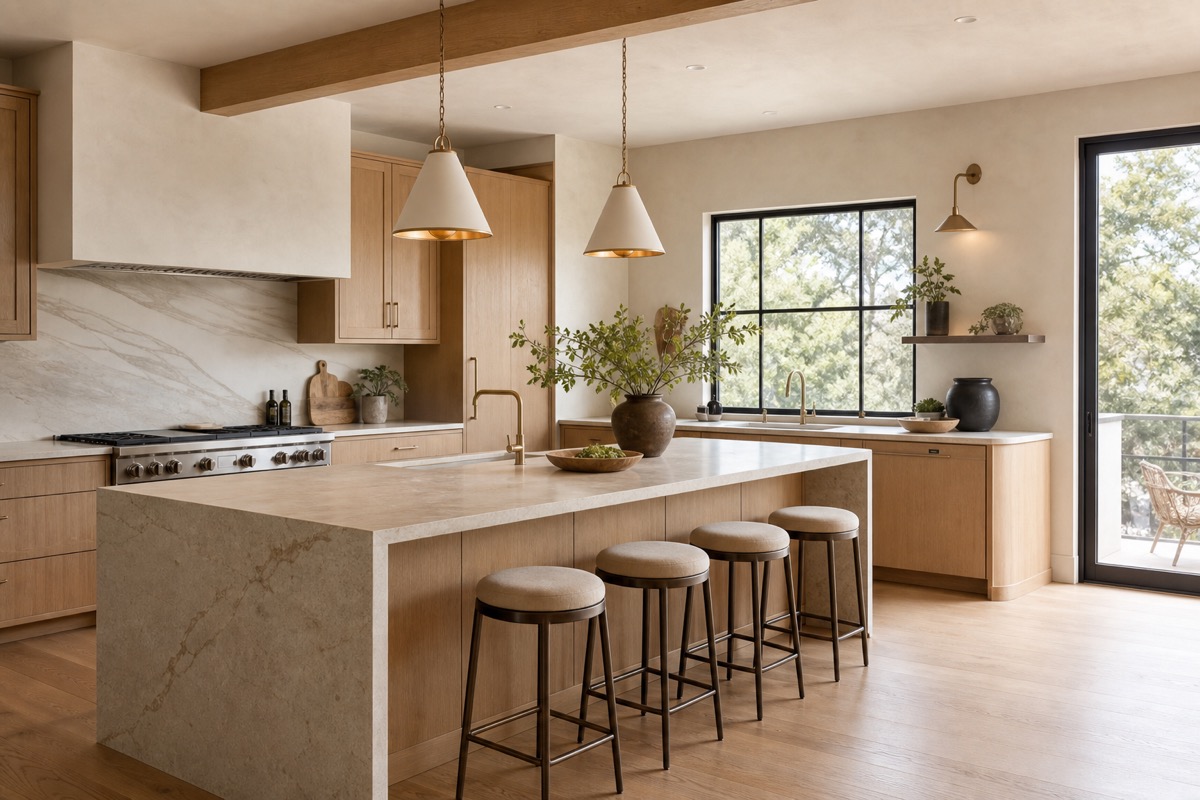
Illustrative planning profile · not a completed Terra Buildr project
Lafayette · Kitchen Remodeling
A Lafayette kitchen profile focused on better room flow, calm cabinetry, durable surfaces, appliance coordination, and a gathering space that works for daily family use.
Planning overview
A strong kitchen remodel starts with how the room is used. Cooking, gathering, storage, serving, cleanup, homework, entertaining, and outdoor connection all shape the right layout before cabinetry or counters are selected.
Lafayette homes often benefit from kitchens that connect more naturally to family rooms, patios, gardens, and dining areas. The best remodels improve that flow while keeping finishes calm and durable.
Terra Buildr helps coordinate the decisions that can otherwise become stressful: appliance dimensions, cabinet lead times, electrical and plumbing rough-ins, lighting locations, counter templating, flooring transitions, and final trim.
Kitchen remodels should align layout, cabinetry, appliances, lighting, surfaces, and adjacent room flow before construction.
The kitchen should support movement between cooking, dining, family rooms, and outdoor space before cabinet details are locked.
Appliance specs affect electrical, gas, water, venting, cabinetry, and counter layout.
Pendants, undercabinet lights, recessed lights, switches, and dimming should be planned with surfaces.
Scope map
This is an orientation checklist, not a proposal. Confirmed drawings, existing conditions, consultant input, selections, and site logistics determine actual scope.
Kitchen layout and circulation review
Cabinetry, storage, and appliance coordination
Lighting, electrical, and plumbing planning
Countertop, backsplash, flooring, and finish sequencing
Adjacent dining, family room, and patio connection
Property + construction challenge
A useful profile makes uncertainty visible before it becomes field pressure.
Kitchen remodels are often judged by finishes, but the experience is shaped by sequence and coordination. Cabinet dimensions, appliance specifications, plumbing, electrical, lighting, flooring, and counters all depend on each other.
A Lafayette kitchen may also need to support indoor-outdoor living, family routines, and older home conditions. Moving too quickly into finishes can hide the decisions that determine how well the room works.
The best planning conversation clarifies what is staying, what is moving, what storage is missing, how the family cooks, and how much adjacent room work is needed.
Planning decisions
Each decision connects the intended experience to practical design and construction constraints.
Planning sequence
Stage names are illustrative. Actual services, roles, timing, and deliverables depend on project fit and an agreed scope.
Discuss daily routines, pain points, storage, appliances, adjacent rooms, and outdoor connection.
Align cabinets, appliances, rough trades, lighting, counters, flooring, and finish expectations.
Confirm cabinet lead times, appliance specs, tile, fixtures, lighting, and countertop sequencing.
Coordinate protection, demolition, rough-in, inspections, cabinets, counters, tile, flooring, and trim.
Review adjustments, hardware, appliances, lighting, cleanup, and the way the room functions.
Avoidable pressure
Appliances shape cabinetry, rough-ins, ventilation, counters, and clearances.
Kitchen changes often affect dining, family rooms, flooring, lighting, and patio movement.
A kitchen needs task, ambient, accent, and control planning before surfaces are installed.
Continue planning
Explore service and city pages with established scope guidance, then bring the actual property into the conversation.
Planning profile questions
Yes. Terra Buildr helps Lafayette homeowners plan kitchen remodels, kitchen expansions, and kitchens inside larger remodels or additions.
Layout, appliance specifications, cabinetry, lighting, plumbing locations, electrical needs, flooring transitions, counters, and backsplash direction should be coordinated early.
Yes. Wall changes may require structural, electrical, HVAC, flooring, and finish coordination, so they should be reviewed before the scope is narrowed.
Cabinet lead times, appliance availability, rough trades, inspections, countertop templating, tile, flooring, and change decisions can all affect timing.
Start with a project conversation focused on the existing kitchen, family needs, desired scope, timing, and known constraints.
Planning something related?
Share the location, current stage, desired outcome, available documents, and the questions this profile helped surface.